
Purrfect your client’s feline knowledge! E-newsletters are a proven way to increase and improve communication with your clients. With that in mind, we have created some content you can use or edit as needed. You can also use it as a guide or template to create your own. We recommend focusing on quick facts and tips about cats and your practice.
2024
2025
December 2025
Winter Safety Tips
As we enter the holiday season, we compiled some helpful tips to avoid some specific season-related dangers.
- Gift Wrapping Paper and Decorations – While it might seem harmless to let your cat play with the wrapping paper, please make sure to remove all of the tinsel, bows, and ribbons. If your cat swallows a linear foreign body (non-food object), it does not pass through in the feces, and your cat will need surgery to remove the item from their intestines. If left untreated, it could have dire consequences. So, consider skipping the tinsel and ribbon in order to keep your cat safe.
- Hanging Ornaments – Please take care to keep ornaments out of reach so your cat is not tempted to swat at them. Ornaments are not made of materials that can be nibbled on or ingested by your cat.
- Poisonous Plants – Mistletoe, amaryllis lilies, and paper whites are poisonous to your cat. Poinsettias will give your cat an upset stomach. If you choose to have any of these plants in your home during the holidays, ensure they are kept out of reach of your cat.
- Candles – Be extremely cautious where you place a lit candle. Please ensure it is not in a place where your cat could access and accidentally knock it over which would cause harm to them and your home.
- Holiday Foods – While you may want to provide a holiday treat to your cat, please make sure it is a veterinarian-approved cat treat. Don’t risk upsetting your cat’s stomach or causing greater harm by “treating” them to your favorite holiday food.
- Stress – Take care when having guests over to your home, as this can cause stress to your cat by disrupting their regular routine and home environment. Please find a place in your home where you can keep your cat away from the noise and traffic when you have guests over. Make sure they have all of their basic needs in this space with them: litter box, food, water, sleeping place, and toys to play with in this retreat area.
- Cats Are Not Gifts – While you might know a cat lover and think that this is the perfect gift to bring them joy, please make sure to ask the potential recipient if they want and are prepared to take care of a new cat. It would be heartbreaking and harmful if the recipient ended up surrendering this cat to a shelter because they were unprepared or unable to take care of a new cat.
- Christmas Tree Water – The water that keeps your tree moist during the holidays is not safe for your cat to drink. Most trees have chemicals on them, and this can make your cat sick. Please take care to restrict your cat’s access to the Christmas tree water to prevent any accidents.
- Travel Dangers – If you are planning to travel with your cat, please make sure their carrier is appropriate, can be safely secured in your car, and that your cat has proper identification in case you accidentally get separated.
H5N1 in Cats
Since the U.S. outbreak of avian influenza A (H5N1) in dairy cattle began in March 2024, dozens of cats are known to have contracted the virus, including barn and feral cats, indoor cats, and big cats in zoos and in the wild (e.g., mountain lions, tigers, leopards, and bobcats). Cats were already known to be susceptible to the H5N1 virus, with several feline cases linked to poultry or wild bird exposure before the cattle outbreak began. Cats appear to be particularly susceptible to severe illness, often resulting in death. The good news is that infection can be prevented with a few simple practices.
Raw Diets Warning: Unpasteurized milk and raw or undercooked meat—including retail pet diets that contain raw meat—have been linked to severe illness and death from H5N1 in pet cats and captive big cats.
How to Prevent H5N1 Infection in Cats
Caregivers are urged to follow the following tips to prevent infection in cats:
- Refrain from feeding cats any dairy products or colostrum that have not first been pasteurized or thoroughly cooked to kill the virus.
- Thoroughly cook meat before feeding, and avoid feeding raw meat-based treats or diets.
- Keep cats indoors to prevent exposure to birds and other wildlife.
- Avoid contact with sick or dead birds and other wildlife yourself.
- Keep cats away from livestock, poultry, and their environments, especially in areas with known H5N1 outbreaks.
- Thoroughly wash your hands after handling your cat and after any encounters with poultry, livestock, or wild birds and other animals.
- Change your clothes and shoes, and thoroughly wash any exposed skin, after interacting with sick or dead animals that may harbor the H5N1 virus, and before interacting with your cat.
- Immediately contact your veterinarian if you notice signs of H5N1 or think your cat might have been exposed to the virus. Signs may start with loss of appetite, lethargy, and fever, then quickly progress, with cats exhibiting: Neurologic signs (e.g., ataxia, circling, tremors, seizures, or blindness); severe depression, copious oculonasal discharge; other respiratory signs, including tachypnea, dyspnea, and possible sneezing or coughing.
Resources
Click on the links below to learn more about what to do if you suspect your cat has H5N1 and handling potentially exposed cats.
- H5N1 in Cats
- If You Are Exposed
- Avian Influenza (general)
- H5N1 in Dairy Cattle & Impact on Other Animals
- Unpasteurized Raw Milk
What Should You Do if You Suspect Your Cat Has H5N1?
To play it safe, you should:
- Call your veterinary practice—before taking your cat in to be seen—and describe any clinical signs you have noticed so that the veterinary team can be ready when you arrive. Don’t have a veterinary practice? Search here.
- Limit your cat’s contact with immunocompromised individuals if any exposure to the virus is possible.
- Protect yourself and others from influenza by following recommendations from the Centers for Disease Control and Prevention (CDC).
- Monitor your family and other animals that might have been exposed for signs of illness, and report any human illness to your local public health official.
September 2025
What Your Cat Needs to Feel Secure
Cats are highly intelligent, naturally curious, and active animals whom we have chosen to take into our homes as companion animals. Many cats who live only indoors may not have all their needs met, but we have some tips to help your cat feel happy and secure in your home environment.
To help understand your cat’s essential needs, think about what you need when you move to a new house or apartment. What do you do to feel comfortable and make this new place your home? Typically, we clean, stock the bathroom and kitchen, make up our bed with our own sheets and pillows, and decorate with curtains, pictures, and personal items.
Your cat’s needs are similar, and you want to make sure you have a place or environment that makes your cat feel comfortable and secure. Below are the five pillars of a healthy feline environment.
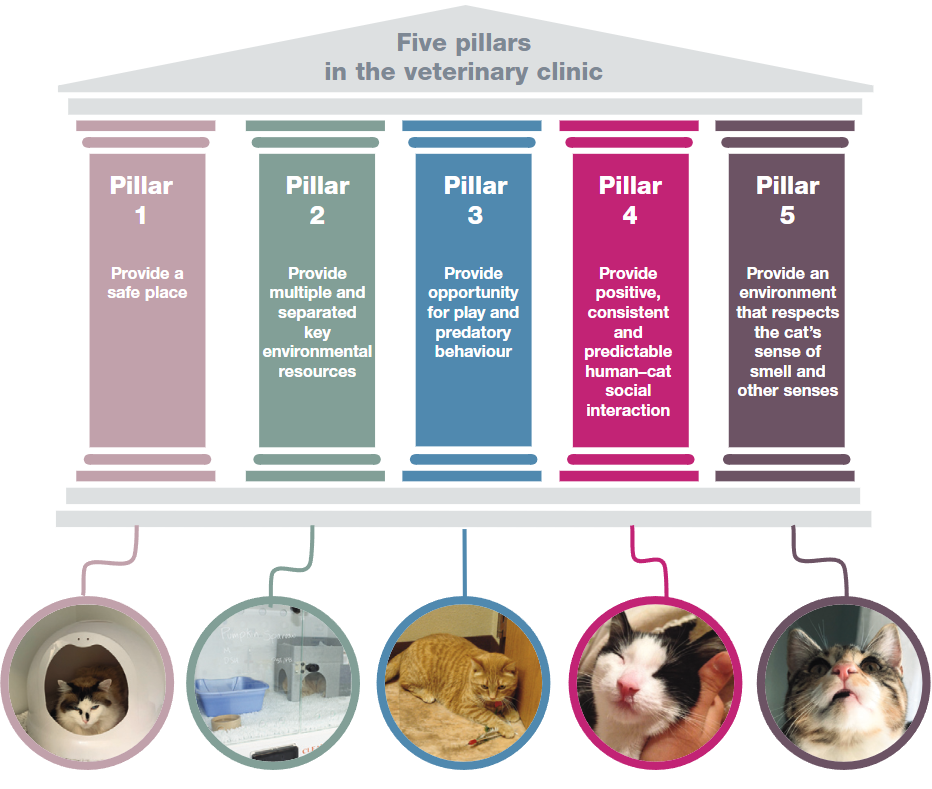
Pillar 1 – Safe Place – Every cat needs a safe and secure place where they can retreat to and feel protected, or that can be used as a resting area. Your cat should be able to enter and exit from this space from at least two sides if they feels threatened. Most cats prefer the safe space to be big enough to only fit themselves, have sides around it, and be raised off the ground.
Pillar 2 – Multiple and Separated Key Resources – Key resources for each cat in your household include food, water, toileting areas, scratching areas, play areas, and resting or sleeping areas. Each of these resources or areas should be separated from the other so every cat has free access without being challenged by other cats or other potential threats.
Pillar 3 – Opportunity for Play and Predatory Behavior – Play and predatory behaviors allow cats to fulfill their natural need to hunt. Play can be motivated with the use of interactive toys that mimic prey. Cats need to be able to capture the “prey”, at least occasionally, to prevent frustration. Using food puzzles or food balls can mimic the action of hunting for prey, and provides more natural eating behavior. 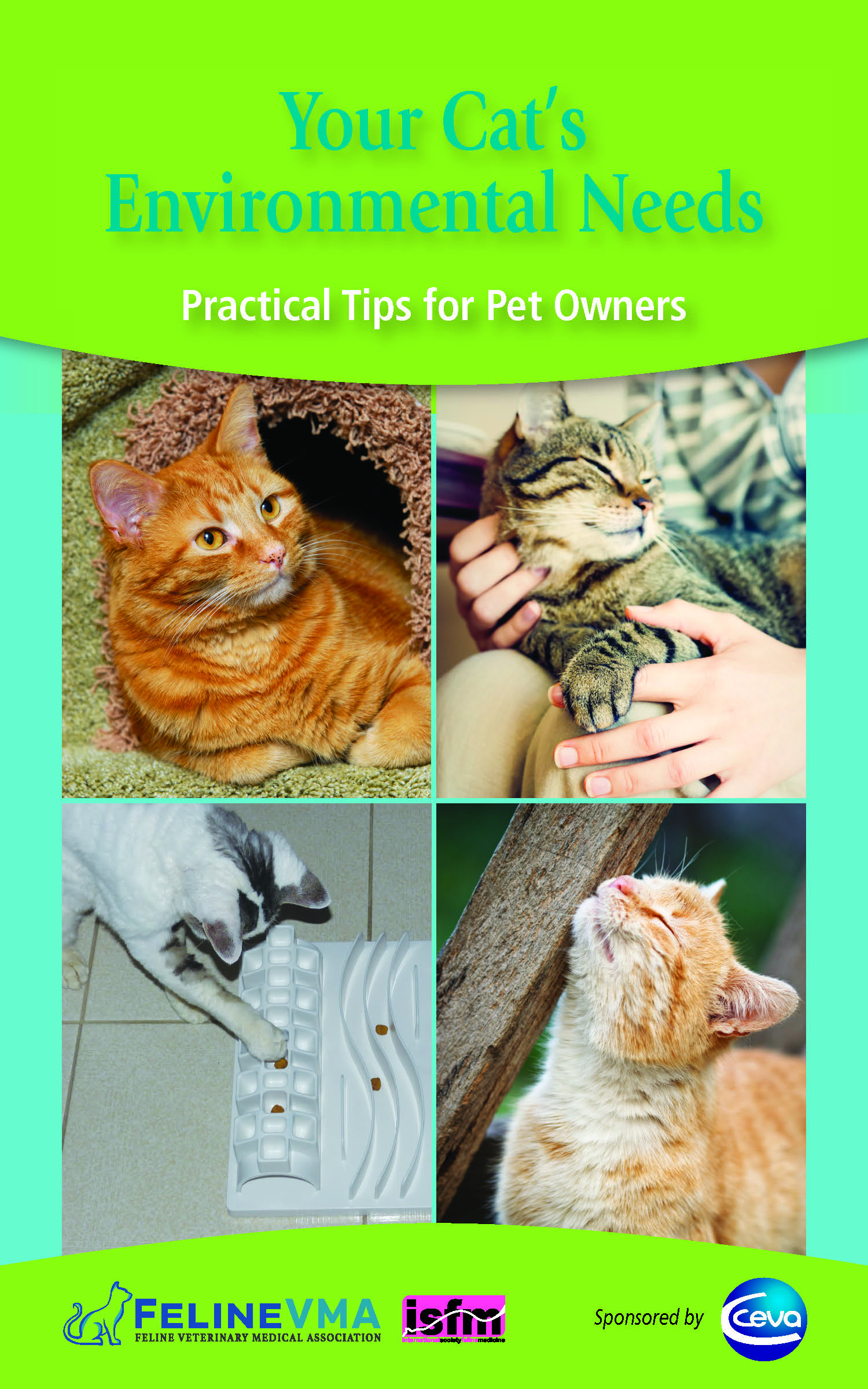
Pillar 4 – Positive, Consistent, and Predictable Human–cat Social Interaction – Each cat has individual preferences which will determine how much they like human interactions such as petting, grooming, being played with or talked to, being picked up, and sitting or lying on a person’s lap.
Pillar 5 – An Environment that Respects the Cat’s Sense of Smell and Other Senses – Unlike humans, cats use their sense of smell to evaluate their surroundings. Cats mark their scent by rubbing their face and body, which leaves natural pheromones to establish boundaries within which they feel safe and secure. Avoid cleaning their scent off these areas. Some smells can be threatening to cats (i.e., unfamiliar animals, or scented products or cleaners) which may lead to problematic behaviors such as urinating outside of the litter box or scratching in undesirable areas.
For more information, please read the brochure Your Cat’s Environmental Needs.
Five Items for a Secure Environment for Your Cat
Food – Provide your cat with predictable meal times. If you have multiple cats, make sure you have individual food bowls for each cat in your household.
Water – Cats need clean, fresh water. Use a location that is appealing to your cat.
Toilet – Provide a convenient, clean, and private litter box for your kitty, and be sure to scoop it at least once daily. As a general rule of thumb, the number of litter boxes should be one more than the number of cats in your household. Many cats prefer a larger litter box that is one and a half times the length of their body, and at least one and a half inches deep.
Safe Place to Sleep – Soft bedding, along with familiar smells and sounds, provides security for your cat. Some cats also like to be provided with soft, cozy places to hide.
Familiar Territory and Elevated Spaces – Face-rubbing and scratching surfaces leaves your cat’s scent and marks the territory with a personal touch. Be sure to supply plenty of scratching posts to encourage appropriate scratching. Access to an elevated area increases the cat’s vertical space and allows him/her to monitor their environment.
Meeting your cat’s environmental needs can help to avoid stressors that could initiate unwanted behavioral or medical consequences.
Learn more about the basic supplies you will need for your cat to feel secure.
Other Tips
Each cat in your household needs a complete set of the resources listed above. There can be some overlap, but sharing requires that you have an accurate assessment of each cat’s relationship with the other cats in your household. These resources should be located in a low-traffic area, which is free of excess noise (i.e., not near a noisy laundry area) and has at least two ways where your cat can enter or leave. This allows your cat to flee or escape if they feel threatened or stressed. Cats also need to be provided with the opportunity to play in order to allow them to fulfill their natural need to hunt and stalk, as well as provide mental and physical stimulation.
July 2025
Knowing What is Normal for Your Cat
Cats are masters at hiding signs of illness and discomfort, as they don’t want to appear vulnerable to their enemies. This can make it difficult for you to recognize when they are sick or in pain. As caregivers, you are more likely to notice subtle changes in your cat’s habits and behaviors. To help you notice the changes, you need to know what is “normal” for your specific cat(s).
We suggest you start by writing down your cat’s daily routine. This will help you quickly identify when something has changed. Include general details (time of day, location, etc.) of their daily routine. Having these specifics will help you notice early signs that something may be wrong.
When you notice changes in your cat’s normal routines — even small changes — write it down. Then call your veterinarian, share your observations, and discuss the changes you’ve noticed. Your veterinarian is trained to evaluate these subtle behaviors and physical health changes.
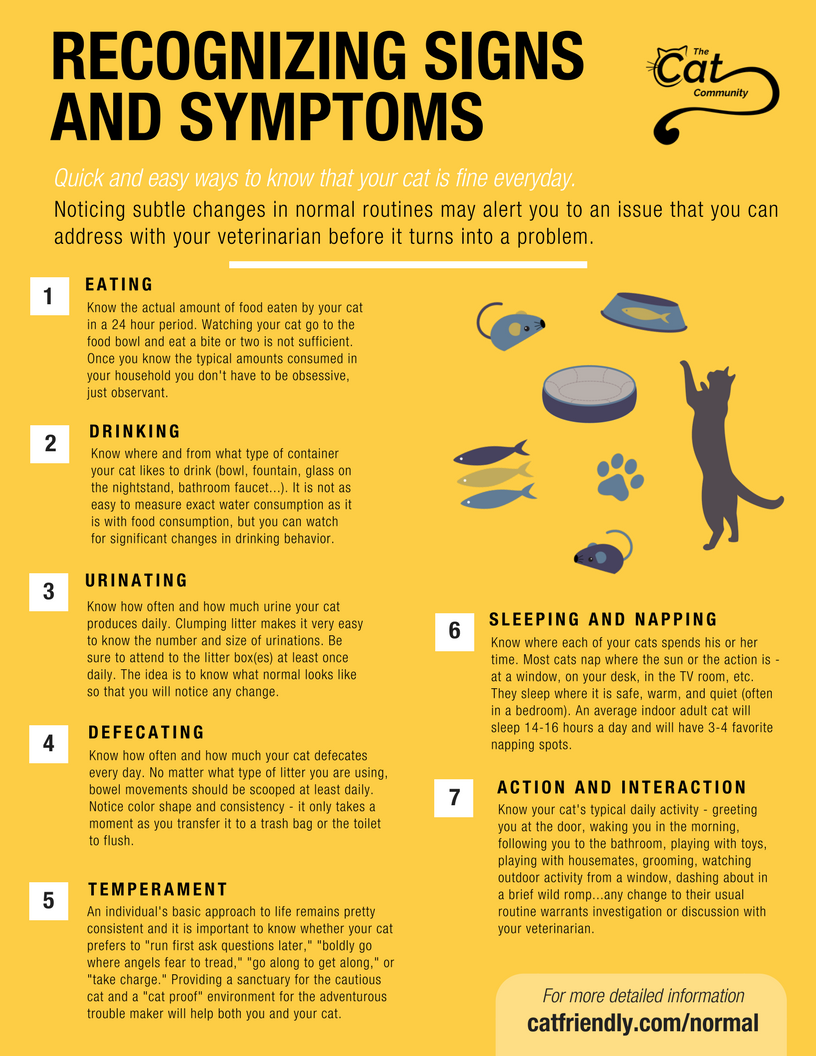
Daily Routine Items to Monitor
- Eating Habits – Write down the typical amount of food your cat eats in a 24‑hour period. Make sure to measure out portions of food and keep track of any treats or snacks given.
- Drinking Habits – Know where and from what type of container your cat likes to drink (e.g., bowl, fountain, glass on the counter). A good indicator of “normal” water consumption is consistent urine volume.
- Urination – Write down how often and how much urine your cat produces daily. An average adult cat produces 2–3 handful‑sized clumps of litter per day. For households with more than one cat and more than one litter box, you can still know the total amount of urine produced each day. Then just divide this total amount by the number of cats and it should be close to the average. Cats are creatures of habit, so if you stay observant you can have a pretty good idea of which cat is urinating in which area of each box.
- Defecation – Know how often and how much your cat poops each day – write down color, shape, and consistency. An average stool is a formed, brown stool about the size of an old‑fashioned Tootsie Roll candy bar.
- Sleeping and Napping Patterns – Write down where your cat spends their time, on average how long they rest, and the general time of day they prefer to sleep. A change in resting location or pattern can be an early indication of a problem.
- Action and Interaction – Know and write down your cat’s typical daily activity. Do they greet you at the door, wake you in the morning, follow you around the house, or play during certain times? Are the throw rugs rumpled and out of place when you get home?
- Temperament – Your cat’s basic approach to life remains pretty consistent. It is important to know whether your cat prefers to “flee where angels fear to tread,” “go along to get along,” or “take charge.”
Once you have a written account of what is normal for your cat, please alert your veterinarian right away if you notice changes in your cat’s routine. There could be a medical issue that needs to be tended to immediately. For more details on recognizing and recording feline habits, visit Cat Friendly Homes to learn more.
May 2025
High Blood Pressure in Cats – What You Need to Know
Feline hypertension, or high blood pressure in cats, is a condition in which a cat’s blood pressure is elevated above normal, safe levels. Middle-aged and senior cats are at increased risk of developing high blood pressure as they age.
What Causes High Blood Pressure in Cats
There are a number of diseases that can cause high blood pressure in cats, including kidney disease, hyperthyroidism, and heart disease, as well as some uncommon diseases and medications. There is also a term called idiopathic hypertension, which is used to describe cases when they have not been able to find an underlying cause to the cat’s high blood pressure. Additionally, some cats, like humans, will experience temporary elevations in blood pressure when they are stressed, but their blood pressure is normal the rest of the time. These cats are said to have situational hypertension.
Signs and Symptoms of High Blood Pressure
Since high blood pressure often has no visible signs or symptoms, it can go unnoticed—which is dangerous for your cat’s health and wellbeing. Below are some common signs of high blood pressure in cats.
- Trouble breathing
- Unexplained changes in behavior
- Increased drinking
- Evidence of blindness (e.g., bumping into furniture, missing jumps)
Testing for Feline Hypertension
Some cats will not show any signs, so routine checkups are critical. Having your cat’s blood pressure checked as part of their routine wellness checkup will establish your cat’s baseline blood pressure, monitor trends, and detect high blood pressure even if your cat is not showing any signs.
Blood pressure is determined using equipment that measures the sound of blood flow through the blood vessels (Doppler) or the motion of the blood through the blood vessels (Oscillometry). Blood pressure is measured in cats similarly to how it is in humans. However, smaller blood pressure cuffs are used and the cuff is placed on the cat’s limb or tail. The cuff is then inflated and deflated.
Treating Hypertension in Cats
There are effective treatments for controlling high blood pressure in cats. You may need to give your cat medication one to two times each day to regulate their blood pressure. Your veterinarian will want to recheck your cat shortly after starting medication to ensure the right dose is being used. Your cat will most likely need to be given daily medication for the rest of his life. Once your cat’s blood pressure is under control, your veterinarian will recommend checking their blood pressure every three to six months to make sure it stays stable. The Cat Friendly Homes’ Giving Your Cat Medication webpage has tips for administering oral medications with links to videos demonstrating how to give a cat medication in both pill and liquid form. Be sure to schedule all follow-up visits your veterinarian recommends.
Monitoring
All senior cats should be screened every six months during their regular checkups for increases in their blood pressure. It is recommended to check all cats’ blood pressure during their checkups to help them become comfortable having a cuff inflated on their limbs or tail. If your cat is on medication for high blood pressure, your veterinarian will recommend testing their blood pressure every three to six months. Blood pressure readings should be taken by your veterinarian using validated equipment. Commercial monitors intended for human or cat at-home-use are not considered reliable and should not be used.
March 2025
Be Careful with Lilies in Your Home
While lilies are beautiful plants that brighten your home, they are highly toxic to your cat. All parts of the lily plant are poisonous to your cat – the petals, the leaves, the stem, and even the pollen. Even if your cat only eats one or two leaves, or ingests a small amount of pollen while grooming their fur, they can suffer severe kidney failure.
Several types of lilies are toxic to cats, including tiger lilies, daylilies, and Asiatic lilies. Since these lily types are popular, please be aware that they may be found in many gardens and yards and can cause severe acute kidney failure in cats. Lilies are also commonly included in floral bouquets that you may purchase or receive from florist shops. So, it is important to check for these types of lilies before you bring them into your home. Other types of lilies, such as the Peace, Peruvian, and Calla lilies, are usually not a problem for cats; however, they may cause minor drooling if your cat ingests them.
Symptoms of Lily Poisoning
In most situations, symptoms of poisoning develop within 6-12 hours of exposure. Early symptoms include:
- Vomiting
- Loss of appetite
- Weakness or lethargy
- Excessive thirst or urination
- Racing or irregular pulse
Unfortunately, symptoms will worsen as kidney failure develops. Some cats experience:
- Disorientation
- Staggering
- Seizures
What To Do if Your Cat Eats a Lily
- If you see your cat licking or eating any part of a lily, call your veterinarian or Pet Poison Helpline (1-855-764-7661) immediately!
- Bring a sample of the lily with you to the veterinarian’s office.
- Tell the veterinary staff how much of the lily your cat ate.
- While there is no specific antidote to counteract lily poisoning, the sooner you get your cat to the veterinarian, the sooner treatment for kidney damage can be started.
Heartworm Disease in Cats
Heartworm is a parasitic infection spread by mosquitoes. When an infected mosquito bites a cat, microscopic heartworm larvae enter through the bite wound and settle into your cat’s tissues. The immature worms travel to the lung’s arteries, causing an inflammatory reaction. In cats, most heartworms end up dying at this stage which causes even more inflammation. Adult heartworms that do survive can remain undetected for a couple of years. When the adult worms die, inflammation can be severe enough to cause death.
Can My Cat Get Heartworm Disease?
Yes! Feline heartworm disease has been diagnosed in all 50 US states, so cats are at risk. It is so important for all cats to receive heartworm prevention. One in four cases of heartworm occurs in cats that live indoors. We all know that mosquitoes can get inside your home and other spaces, so indoor cats need protection, too. Even one immature heartworm can permanently affect your cat’s health and ability to breathe by causing an inflammatory reaction in the blood vessels and lungs. The American Heartworm Society recommends year-round prevention regardless of the time of year or the US state you live in. Please discuss prevention with your veterinarian at your cat’s annual examination. The risk of kittens getting heartworm disease is equal to that of adult cats.
Symptoms Associated with HARD
Research has shown signs such as coughing and difficulty breathing, which are often diagnosed as feline asthma or allergic bronchitis, can be caused by the presence of heartworms in either larval or adult stages. Heartworm Associated Respiratory Disease, or HARD, is the term for this condition. Signs of heartworm disease in cats may include:
- Sudden collapse
- Coughing
- Difficulty breathing
- Lethargy
- Decreased appetite
- Weight loss
- Vomiting
Why Prevention Matters
You can prevent heartworm by consulting with your veterinarian and having year-round protection for your cat. Parasite prevention is vital in keeping your cat healthy.
Treatment Options
There are no approved medications for treating heartworm in cats. If your cat develops a heartworm infection, you and your veterinarian can only manage, not treat your cat’s condition. For more information on treatment guidelines visit the American Heartworm Society website.
January 2025
Proactive Steps to Safeguard Your Cat’s Dental Health
Dental health is a cornerstone of your cat’s overall wellbeing, yet it’s often overlooked. It is estimated that at least 70% of cats over three years of age develop periodontal disease—a preventable condition linked to plaque and tartar buildup. Left unchecked, this disease can lead to pain, tooth loss, and health issues. The good news? A few consistent, proactive measures can protect your cat’s teeth and prevent costly dental procedures. Here’s how to start today:
Establish a Daily Toothbrushing Routine Using Cat Friendly Techniques
Like with humans, brushing your cat’s teeth is the best way to decrease plaque and tartar. Please make sure to introduce a tooth brushing routine slowly and use lots of patience, positive reinforcement, praise, and treats as needed. Also, cats respond to routine, so be consistent with the time you brush their teeth every day. Pick a time of day that is quiet and when your cat is usually hungry-not first thing after you get home from work. Remember to take your time and take a break if you feel you or your cat becoming stressed. Keep this positive, and you will be surprised how successful you can be! You can find more information here: catfriendly.com/how-to-brush-your-cats-teeth/
Here’s how to introduce toothbrushing in a way that’s comfortable for your cat:
- Gather Your Supplies
- Soft-bristled toothbrush for cats or finger toothbrush.
- Veterinary toothpaste for cats. (Please note that human toothpaste can be toxic to cats!)
- Soft gauze sponge or cloth.
- If you are unsure where to find these supplies, please ask your veterinarian for recommendations.
- Begin by Gently Handling and Manipulating Your Cat’s Mouth
- If your cat is calm, start with affectionate touches and give them treats.
- Begin to gently touch or manipulate your cat’s mouth. As long as your cat is quiet, responds to requests, and allows you to manipulate their mouth, provide IMMEDIATE rewards. If your cat resists at all, take the treats away and stop for now. (You can try again later.)
- Slowly advance from moving their lips with your fingers to running your fingers along their teeth and gums. Once your cat is comfortable with your fingers in their mouth, try to put a moist, soft gauze sponge around your finger and move it along their teeth.
- It will likely take several sessions to work up to this point. Give rewards throughout and end the session if your cat resists. Try again tomorrow.
- Add in Toothpaste
- Once your cat is comfortable with the sponge or cloth along her teeth, add a veterinary toothpaste or gel to the gauze sponge.
- Keep up the praise and rewards! Make it fun!
- Introduce the Toothbrush
- Bring out the toothbrush. Touch it to your cat’s face, put it under their lips, and gently work it around. Pick a toothbrush that is easy for you to use.
- If your cat likes the toothpaste, have them lick it off the toothbrush. Don’t forget to praise and reward with treats!
- Start Brushing
- Use a circular motion and focus on your cat’s gum line.
- Initially concentrate on the outside surfaces of their teeth, under their lips. Eventually, work your way up to all of your cat’s teeth. Spend about 2-3 minutes brushing their entire mouth, ideally once a day.
- Pair sessions with praise or a small treat to create positive associations.
Schedule Regular Veterinary Dental Exams
Cats instinctively hide signs of pain, making veterinarian examinations important. Annual exams allow your veterinarian to prevent and detect early signs of dental disease, such as gum recession or tooth resorption, and ensure their overall dental health. These visits should include oral and radiographic examinations, which can reveal hidden issues below the gumline. Early intervention can prevent irreversible damage and keep your cat comfortable. For more information: catfriendly.com/veterinary-care/dental-examinations/
Incorporate Dental-supportive Diets
While brushing your cat’s teeth is the best thing you can do for your cat’s oral health, dental products like diets, chews, treats, and water additives may also provide some benefits.
Offer Approved Dental Treats and Chews
The Veterinary Oral Health Council (VOHC) is an organization that reviews voluntary product submissions and associated scientific literature and awards the VOHC “Seal of Acceptance” as appropriate. VOHC-approved dental treats or chews may provide an additional layer of protection. While not a replacement for brushing, these products can help reduce plaque and freshen breath. Always consult your veterinarian before switching foods to ensure nutritional balance.
Consistency Matters
Preventive care is a lifelong commitment. Cats thrive on routine, so integrate these steps gradually and maintain a calm, patient approach. Celebrate small milestones—like your cat tolerating a brief brushing session—and stay consistent.
By prioritizing dental health now, you’re not only preserving your cat’s teeth but also safeguarding their heart, liver, and kidneys from inflammation linked to oral bacteria. Partner with your veterinarian to tailor a plan that suits your cat’s unique needs, and remember: proactive care today ensures a healthier, happier tomorrow.
November 2024
Safety Reminders for Winter and the Holidays
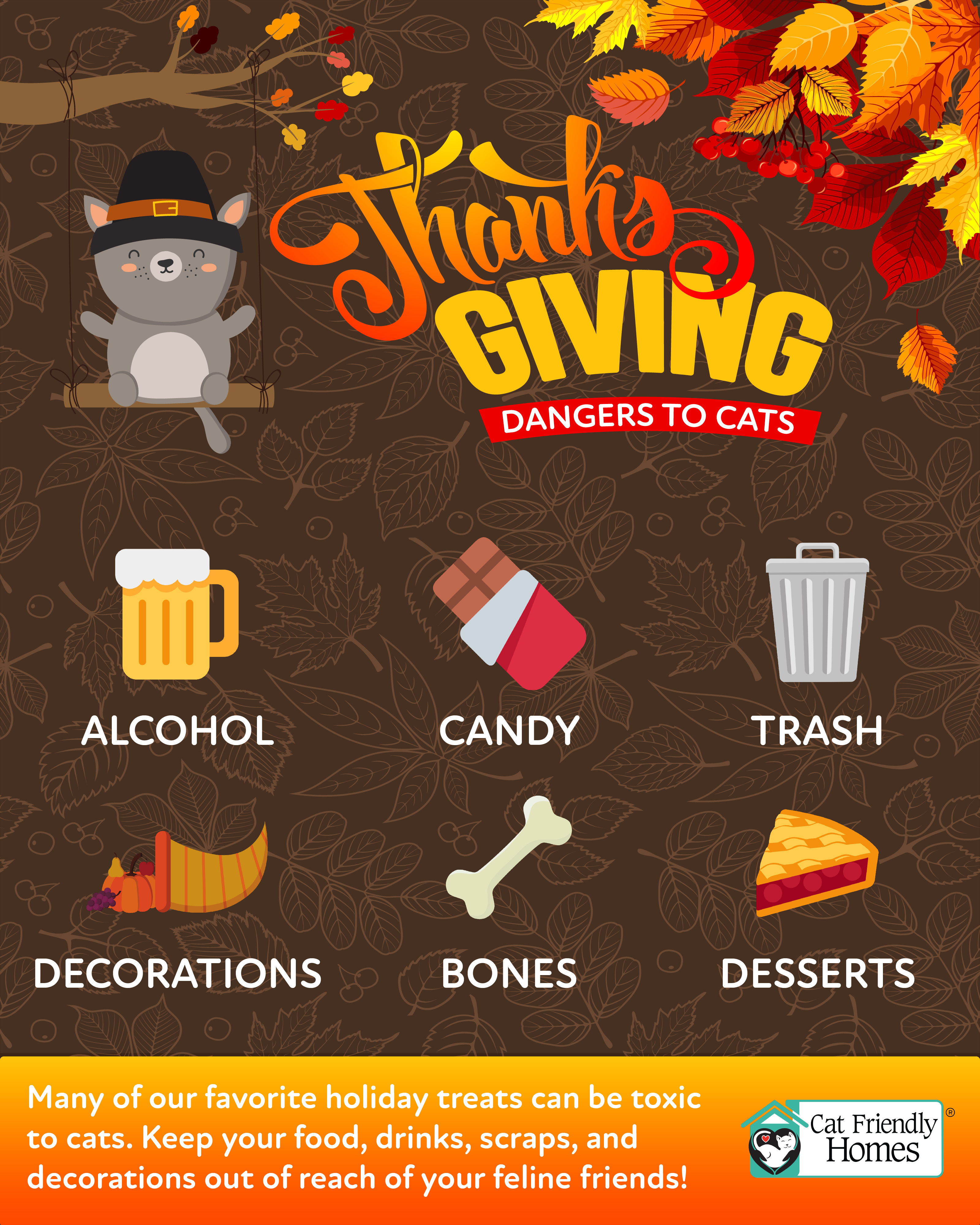
As we enter the winter holiday season, please remember to take your cat and their environment into account as you decorate, bring in holiday trees and plants, and invite company over.
- Wrapping paper, ribbons, and bow – Please keep these items away from your cat. While they might enjoy playing with these items, if they accidentally ingest them, it can be extremely dangerous to your cat.
- Christmas trees and holiday plants
- The water in your tree stand is not safe for your cat to drink as many trees have chemicals on them which can make your cat sick. Please remember to restrict your cat’s access to the Christmas tree water to prevent any accidents.
- Keep the ornaments on your tree out of your cat’s reach to help prevent them from swatting at them. You don’t want you cat to eat or nibble them as they are not made of materials for your cat to ingest.
- Many holiday plants like amaryllis lilies, paperwhites, and mistletoe are poisonous to your cat. While poinsettias aren’t poisonous, they can upset your cat’s stomach and may cause them to vomit.
- Candles – Try using flameless candles instead of candles with a live flame. This way if you cat accidentally knocks over the candle, your home is still safe.
- Holiday treats – Purchase a veterinarian-approved cat treat instead of sharing some of your holiday food and risking an upset stomach for your cat.
- Family and Friends – Prepare your cat for unfamiliar guests coming into your home, by placing them in a separate room that has their litter box, food, water, sleeping place, and toys. This way you can help prevent your cat from becoming distressed by unfamiliar people and the disruption to their routine.
- Travel – If you are travelling with your cat, please make sure you have an appropriate carrier that is safely secured on the floor behind the driver’s seat and that your cat is wearing proper identification just in case you accidentally get separated.
How to Show Your Cat Affection
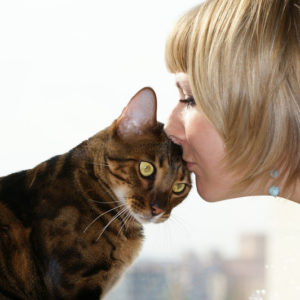
Cats are unique and usually independent animals, so you want to understand feline behaviors and your cat’s specific preferences. Here are some tips to help you figure out the best way to show your cat how much you love them while respecting them and their preferences.
- Be patient and let your cat come up to you. Many cats will nuzzle or rub up against you, making it clear they want an embrace or to be petted. They may brush their face against yours, for example.
- Keep an eye out for distress or that your cat is not liking the interaction. Your cat may tense up their body, the pupils of their eyes may dilate, their ears may go back, or start hissing or crying out.
- Try not to force your cat to be petted as they have limits just like we do. Cats tend to prefer short interactions that occur more often.
- Let your cat determine when they are done being petted as they can become aroused if you pet them for too long.If it goes on too long, they will often nip or claw at you to indicate they have had enough.
- Try giving them space, providing their favorite toy, and having a good play session if they are not up for receiving your affection at that time.
- Pay attention to your cat’s cues. If your cat rubs up against you or an object nearby, licks your arm or leg, or curls up beside you, this is the time for a good petting session.
- Know where to pet. Most cats prefer to be petted on the head and neck and may get upset when touched elsewhere. Most cats prefer not to have their feet touched.
- Handle with care. When picking up your cat, please make sure that they feel secure by supporting their back legs and bottom. Also, try to keep your cat as close to your body as possible so they are not dangling in the air. Please avoid holding them with a tight grip and never lift your cat by their scruff as it may be painful for them.
September 2024
Do You Have a Multi-cat Household?
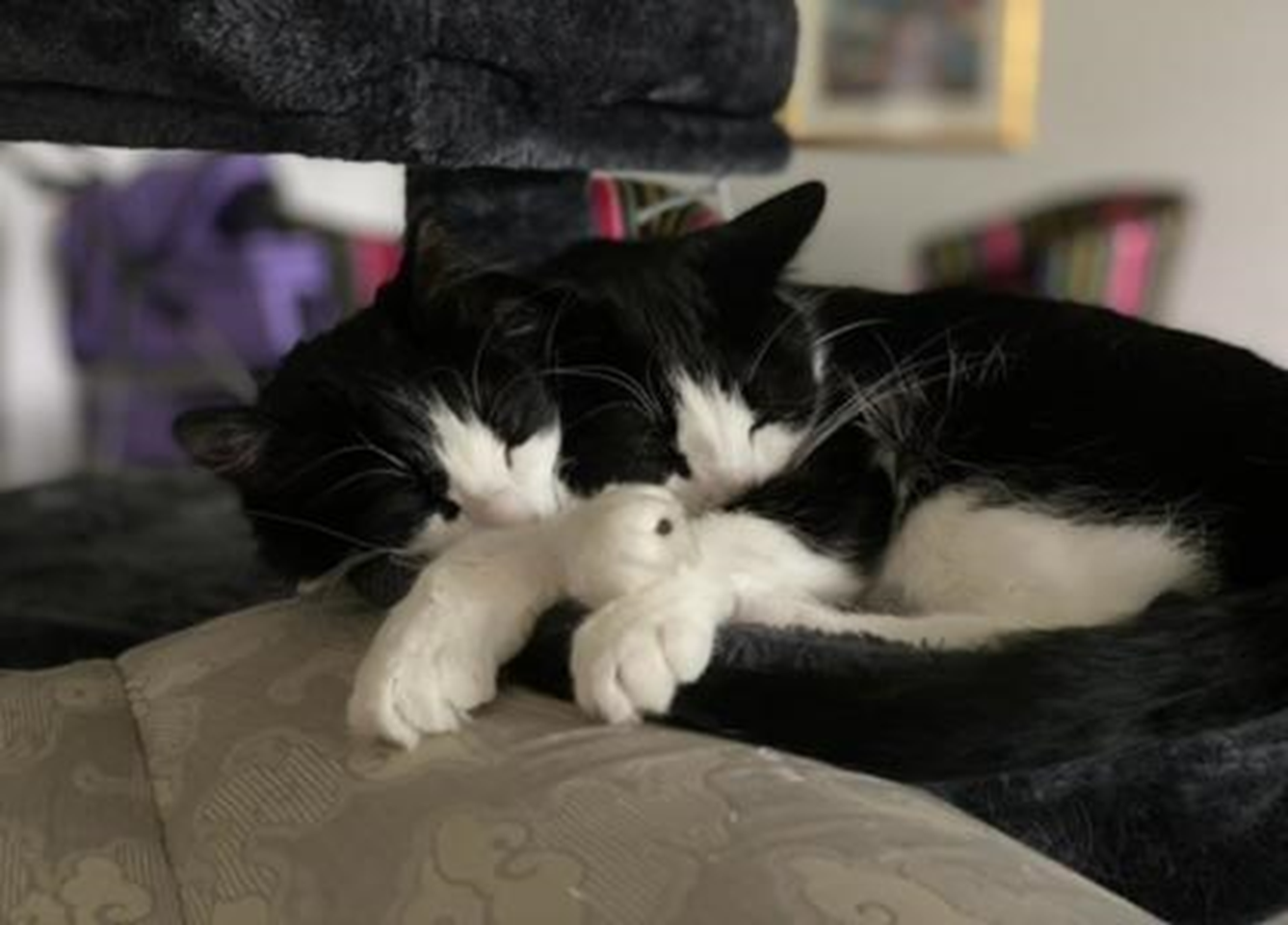
We know that having more than one cat to love is wonderful, but you do need to make sure they get along so every cat is happy and healthy. Intercat tension can sometimes be subtle, showing up as changes in behavior, prolonged staring, or keeping their distance from each other. In more obvious cases, you might notice chasing, swatting, or even fighting. It is important to recognize and manage this tension to keep a peaceful household. According to a recent survey, between 62.2% and 87.7% of multi-cat households experience intercat tension, and 73.3% of these cases begin with the introduction of a new cat into the home.
Recognizing Signs of Intercat Tension
It is essential for cat caregivers to be able to notice positive interactions among cats from signs of intercat tension so you can help your cats be comfortable together.
Here are some signs that cats like each other:
- Mutual Grooming: They frequently groom each other.
- Sleeping Together: They often sleep in close contact and may face each other or touch.
- Friendly Approaches: When they approach each other, their tails are up, and they often touch noses or rub heads or sides.
- Balanced Play: Play is mutual, with each cat taking turns chasing the other. If only one cat does the chasing, it is not play.
- Initiating Interaction: Either cat may start an interaction.
Alternately, here are some signs of possible tension between cats:
- Prolonged Staring: Especially when the other cat is moving.
- Guarding or Blocking Resources: Such as food, water, sleeping spots, litter boxes, or toys.
- Avoidance: Staying far apart and/or away from each other, or hiding.
- Vocalizations: Low growls or hisses.
- Refusal to Enter Rooms: One cat may refuse to enter a room if the other cat is present. This is a great concern if that room contains any of a cat’s key resources, such as food, water, litter box, bed, safe space to rest or hide, etc.
- Change in Normal Behaviors: This can range from not eating, inactivity, disturbed sleep, overgrooming, scratching, urine marking, or not using the litter box.
- Cornering or Chasing: One cat corners, chases, or stalks the other.
- Physical Contact: Biting, swatting, or scratching.
- Vocalization: Loud growls, yowls, or hisses.
- Fighting: Including hissing, growling, chasing, swatting, and pinning.
- Body Positions: Arched back, raised hair, crouched body, fixated stare, flattened ears, and swishing or a puffed tail.
If you notice any of these signs, please contact us right away.
Managing and Preventing Intercat Tension
Creating a positive multi-cat household involves understanding and meeting your cats’ needs:
- Environmental Enrichment: Ensure each cat has access to safe places, multiple and separated resources (food, water, litter boxes, resting places), and opportunities for play and predatory behavior.
- Gradual Introductions: When introducing a new cat, use this step-by-step approach to allow for a smooth transition.
- Positive Reinforcement: Reward good behaviors to encourage positive interactions between cats. Behavior modification techniques may help your cats to become tolerant of one another.
- Advanced Professional Support: If tension persists, we may recommend seeking specialized support from a board-certified veterinary behaviorist.
Understanding and addressing intercat tension is key to ensuring a peaceful and happy multi-cat household. By recognizing the signs and taking proactive steps to manage and prevent tension, you can help your cats live more harmoniously together.